Ghadu Resilience

Current or past project successes

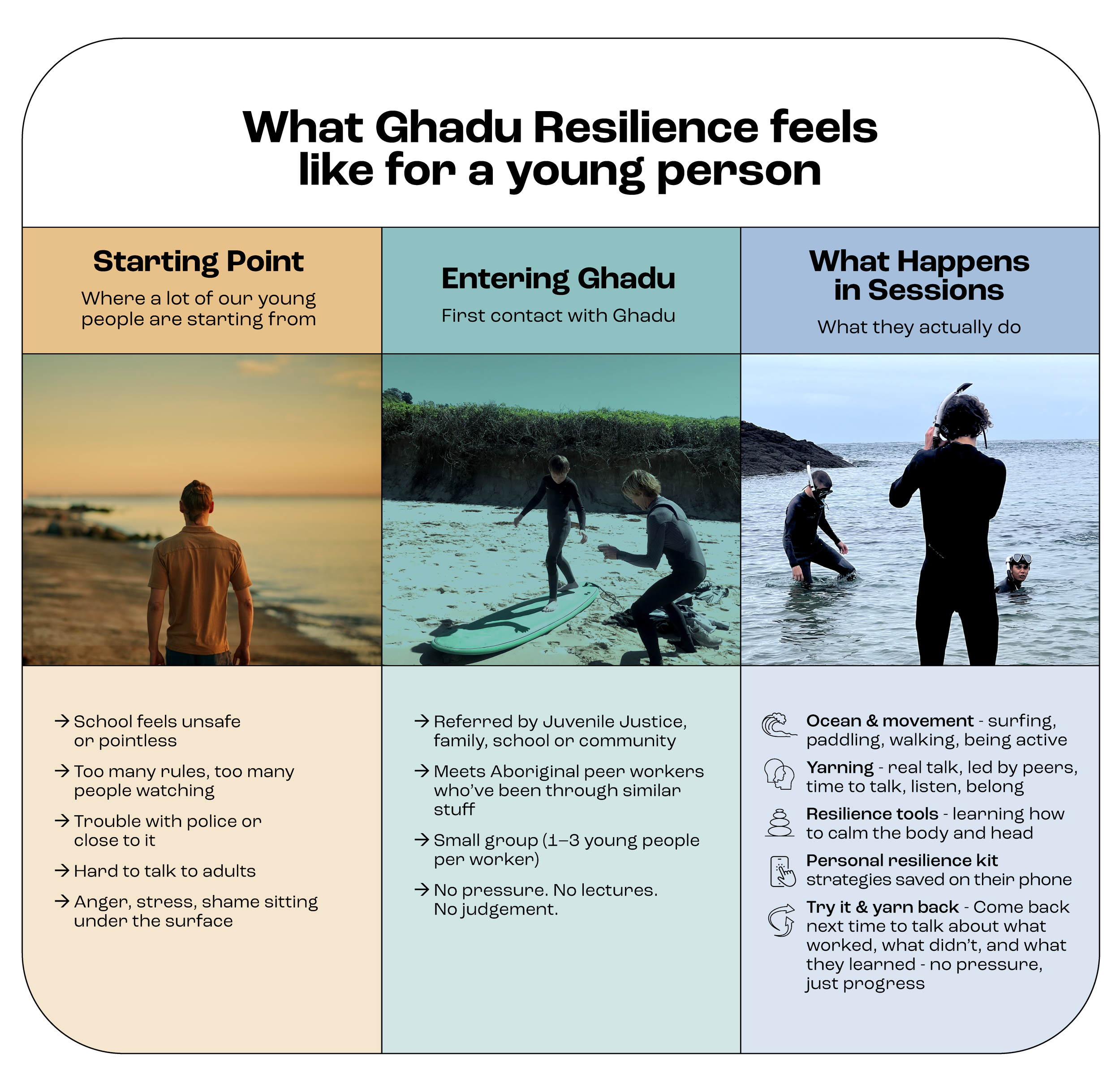
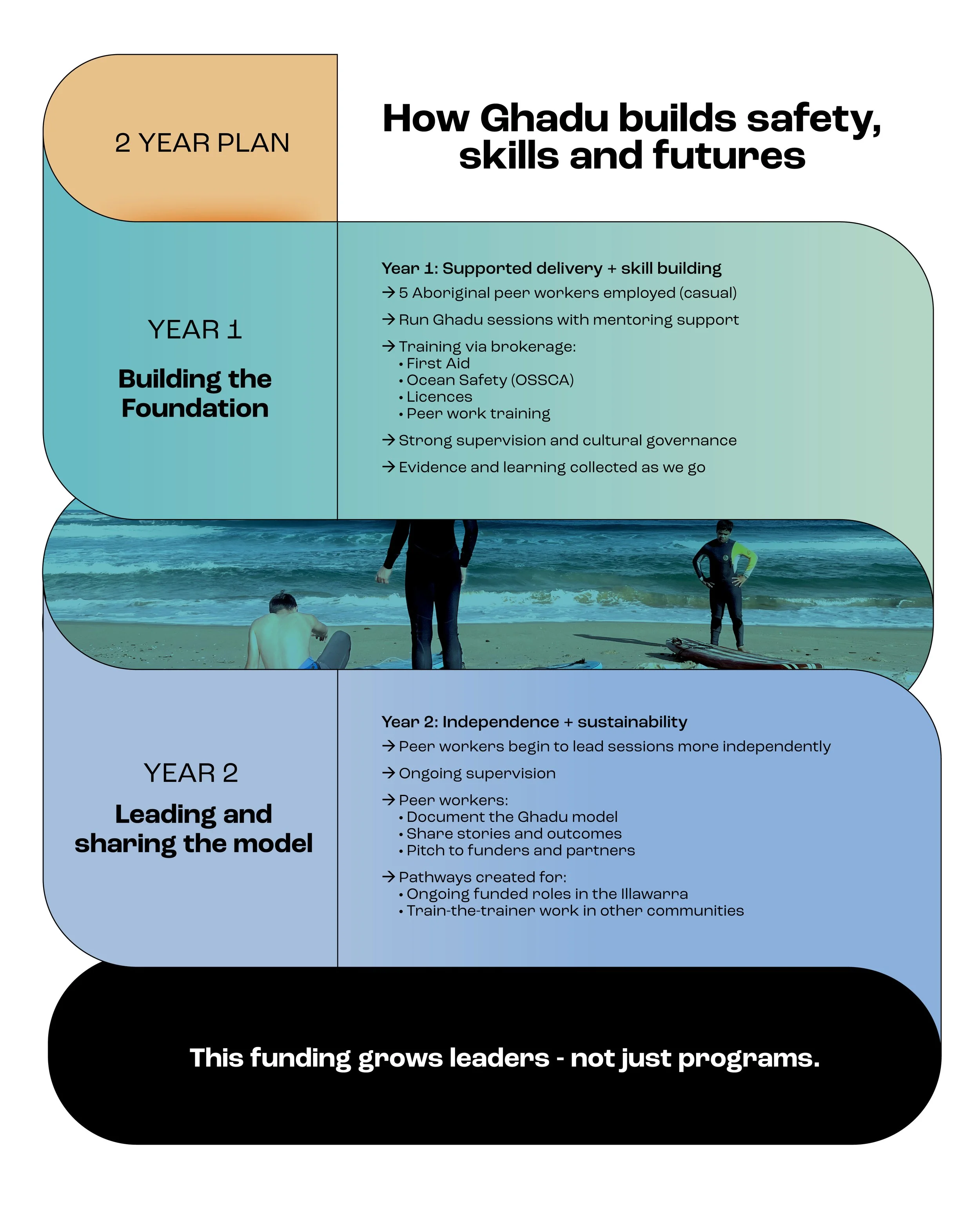
Young people have already been acting as peer mentors in Waves sessions. That is why we want to hand over the reigns of running Ghadu Resilience to them as Peer Workers.

Over this page check out some case studies from Waves sessions that have inspired us to want to have Peer Workers running the strategy.
 

Menu


  • Case Study: Still stuck in that rip

    CLICK ARROW TO READ

  • Using ocean metaphor to talk about addiction

    One young man wanted to talk about his weed use. He said it felt like being caught in a rip—suddenly out of his depth and pulled somewhere he didn’t want to be.

    At the next session, he got in the car and said straight up, “I’m still stuck in that rip.”

    Instead of trying to fix it, the session stayed with the metaphor. What do you actually do in a rip?

    He identified what mattered to him:

    • Put your hand up if you need help

    • Don’t panic—stress makes it worse

    • Sometimes you wait until the rip moves you sideways, then you swim back

    Those ideas stayed with him because they were his words, not instructions.

    In the hands of peer workers Ghadu Resilience will use shared language and experience so young people can name what’s happening without feeling exposed or judged.

  • Addiction, insight, and help-seeking

    Relevant Community Safety Criteria

    • Addressing underlying drivers of offending (substance use)

    • Trauma-informed, place-based intervention

    • Promoting help-seeking behaviours

    How this case study meets the criteria

    This case study shows how Ghadu Resilience supports young people to recognise risk behaviours and seek help early—before escalation into offending or justice involvement.

    By using culturally relevant metaphors connected to ocean safety, the young person develops insight and language to describe addiction without shame. The identification of help-seeking strategies (“putting a hand up”) directly supports community safety by reducing substance-related risk, impulsivity, and associated offending behaviours.

About Ngaramura

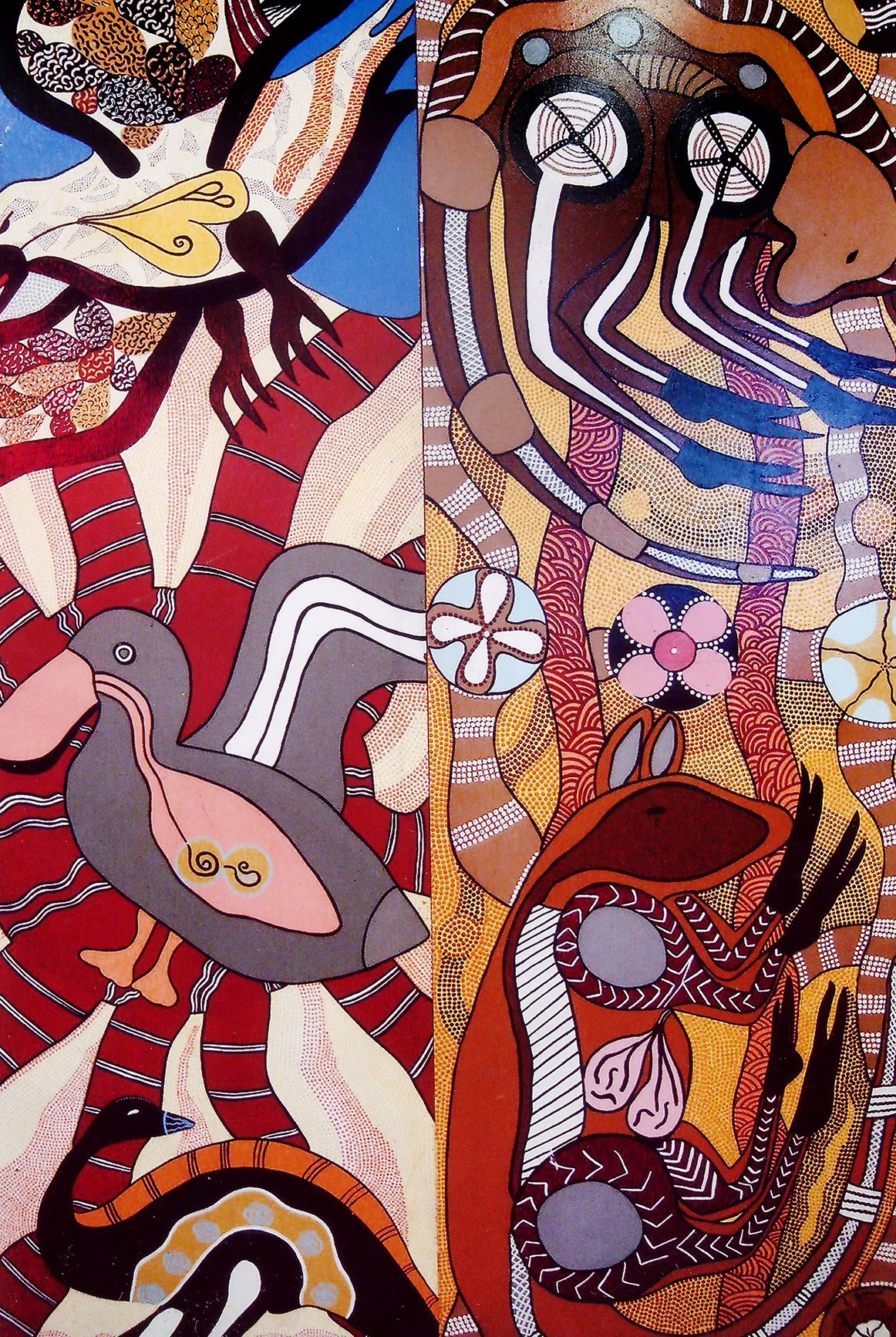
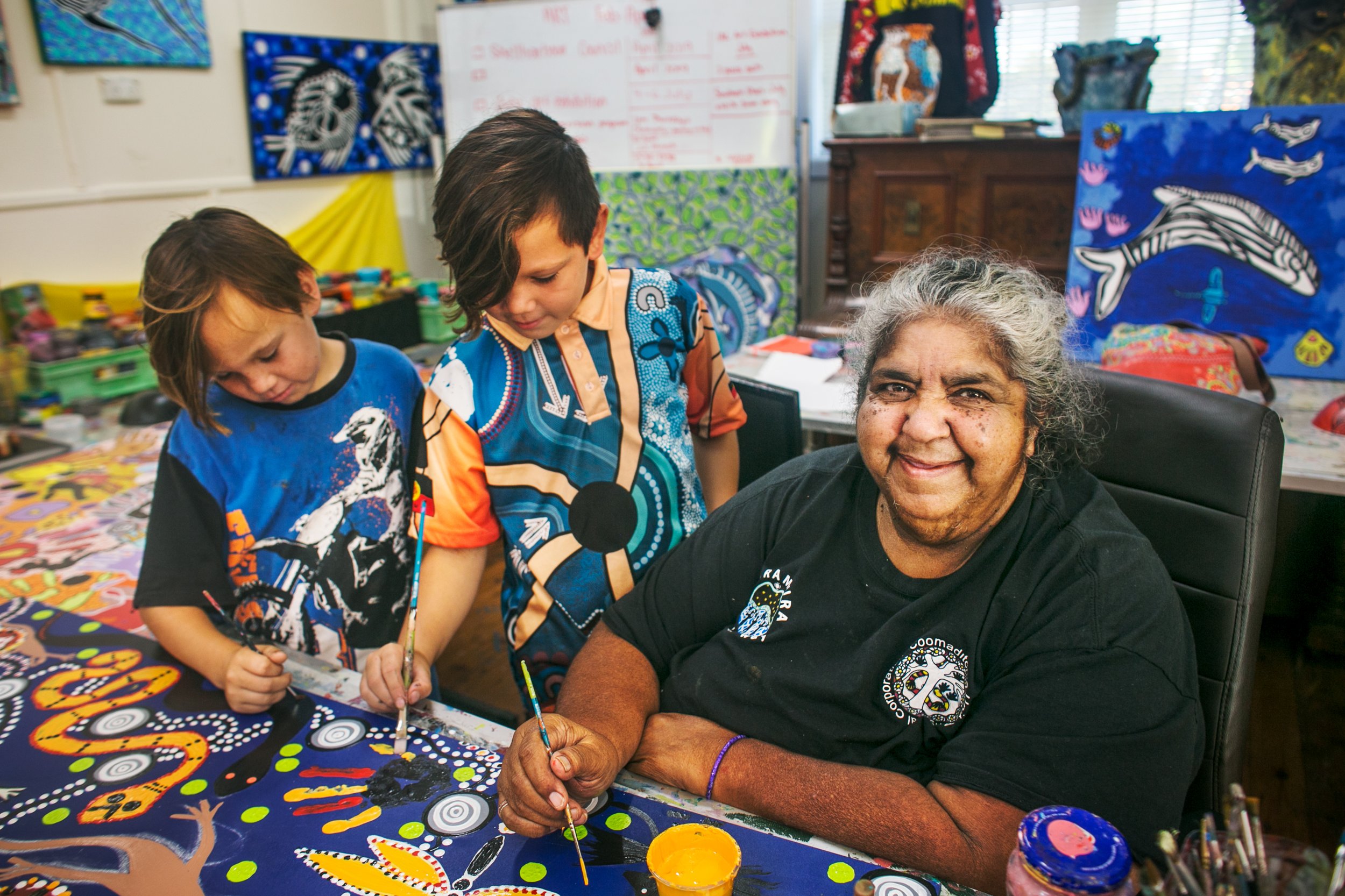
The Ngaramura Project provides a supportive pathway assisting young people to re-engage with education through a cultural learning framework. Ngaramura is a Dharawal word meaning  "see the way".

Evidence shows that Aboriginal high school students are suspended in numbers disproportionate to enrolment numbers. The Ngaramura Project aims at providing an environment that is culturally appropriate and structured to provide students with opportunities to undertake learning of a cultural nature and also mainstream academic learnings. This project involves a range of activities and programs supporting cultural teachings, academic learning and living and social skills in collaboration with participating local high schools and partnering organisations.
  • Case Study: Peer voice carries more weight

    CLICK ARROW TO READ

  • Peer mentoring & decision-making

    A younger participant talked about trying not to get caught up with mates who were doing risky and illegal things. He had been in a stolen car, and realised he was afraid. He wanted a way out that wouldn’t cost him respect.

    An older cousin was part of the session. He used to run with the same crowd and make the same choices. He had stopped. He was still respected.

    When the older cousin spoke about how he handles peer pressure now—who he checks in with, what he tells himself—it landed differently. It wasn’t advice from an adult. It was lived experience, offered without judgement. He validated the fear that the younger participant had admitted. He said it was a useful tool to help him step back from the edge.

    The younger participant listened closely. That conversation carried more weight than anything a worker could have said.

  • Older cousin mentoring younger participant

    Relevant Community Safety Criteria

    • Early intervention for young people at risk of offending

    • Strengthening protective peer networks

    • Youth-led prevention approaches

    How this case study meets the criteria

    This example demonstrates how peer workers with lived experience interrupt pathways into offending before contact with the justice system occurs. The older young person, who had previously engaged in risky and criminal behaviour, is now respected by peers and able to influence decision-making in real time.

    Rather than external authority figures attempting to discourage offending, change is modelled through credibility, shared experience, and cultural safety. This approach strengthens informal social controls and reduces risk-taking behaviour associated with peer pressure—key protective factors in crime prevention.

About Waves

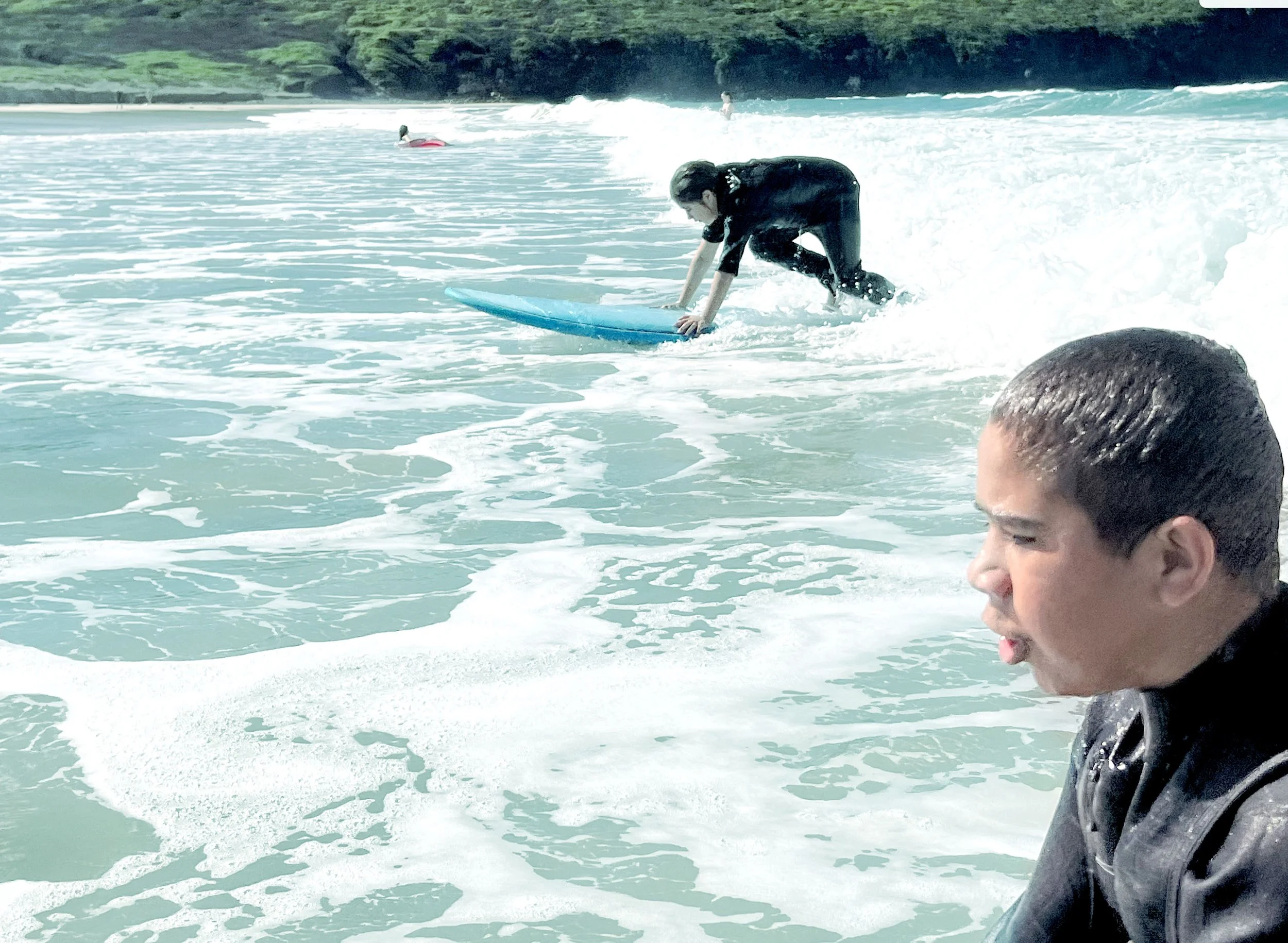
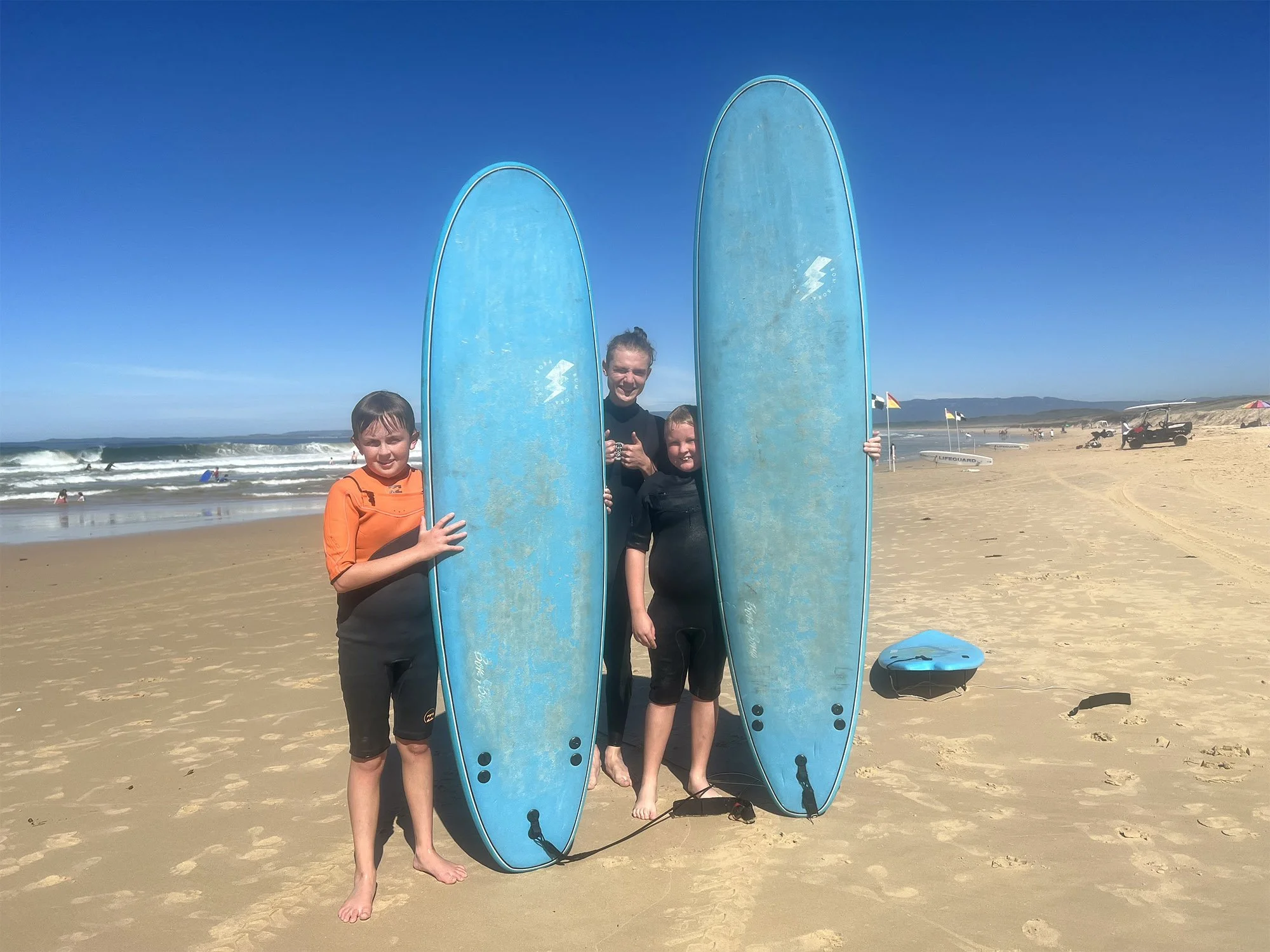
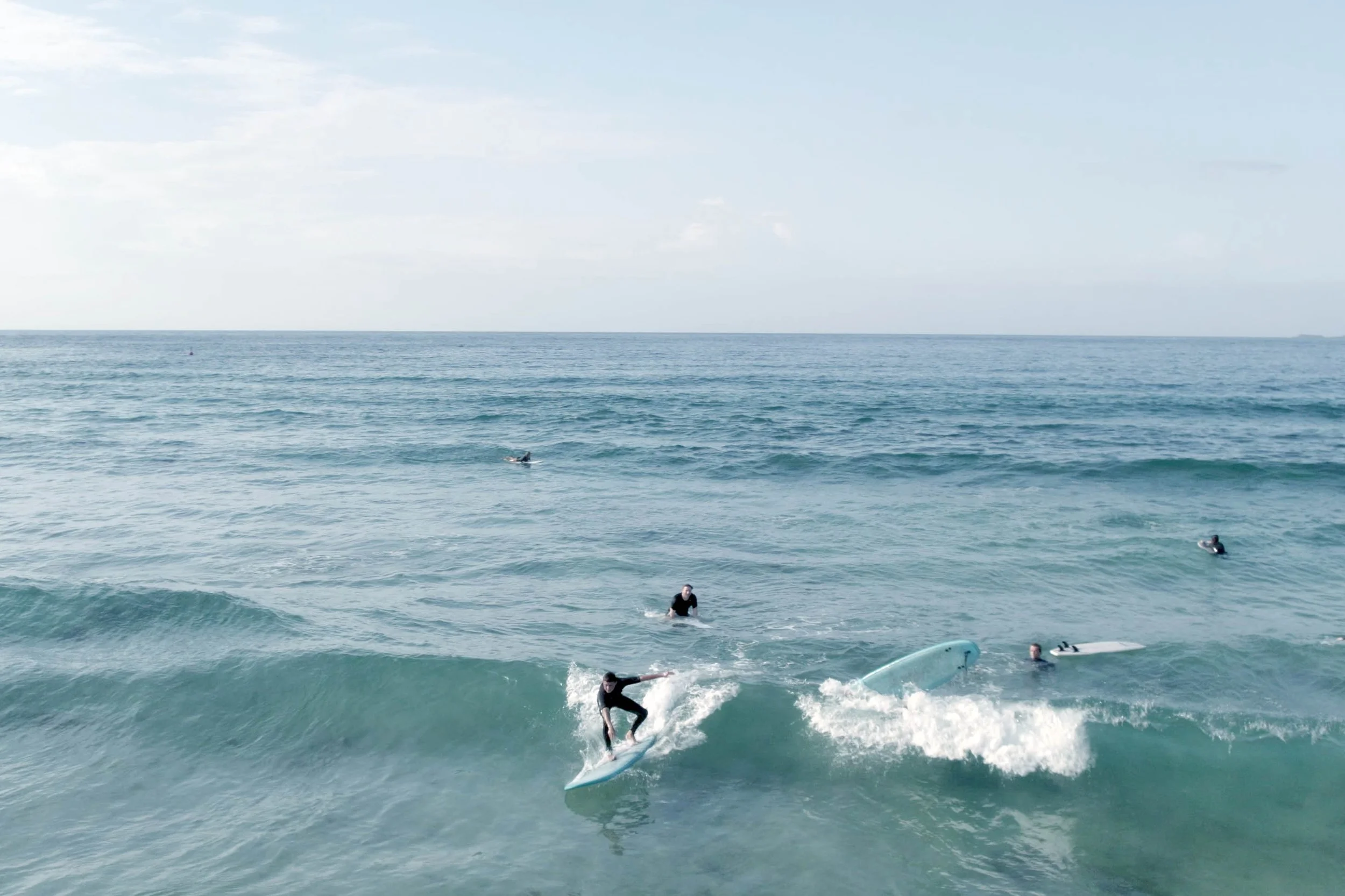
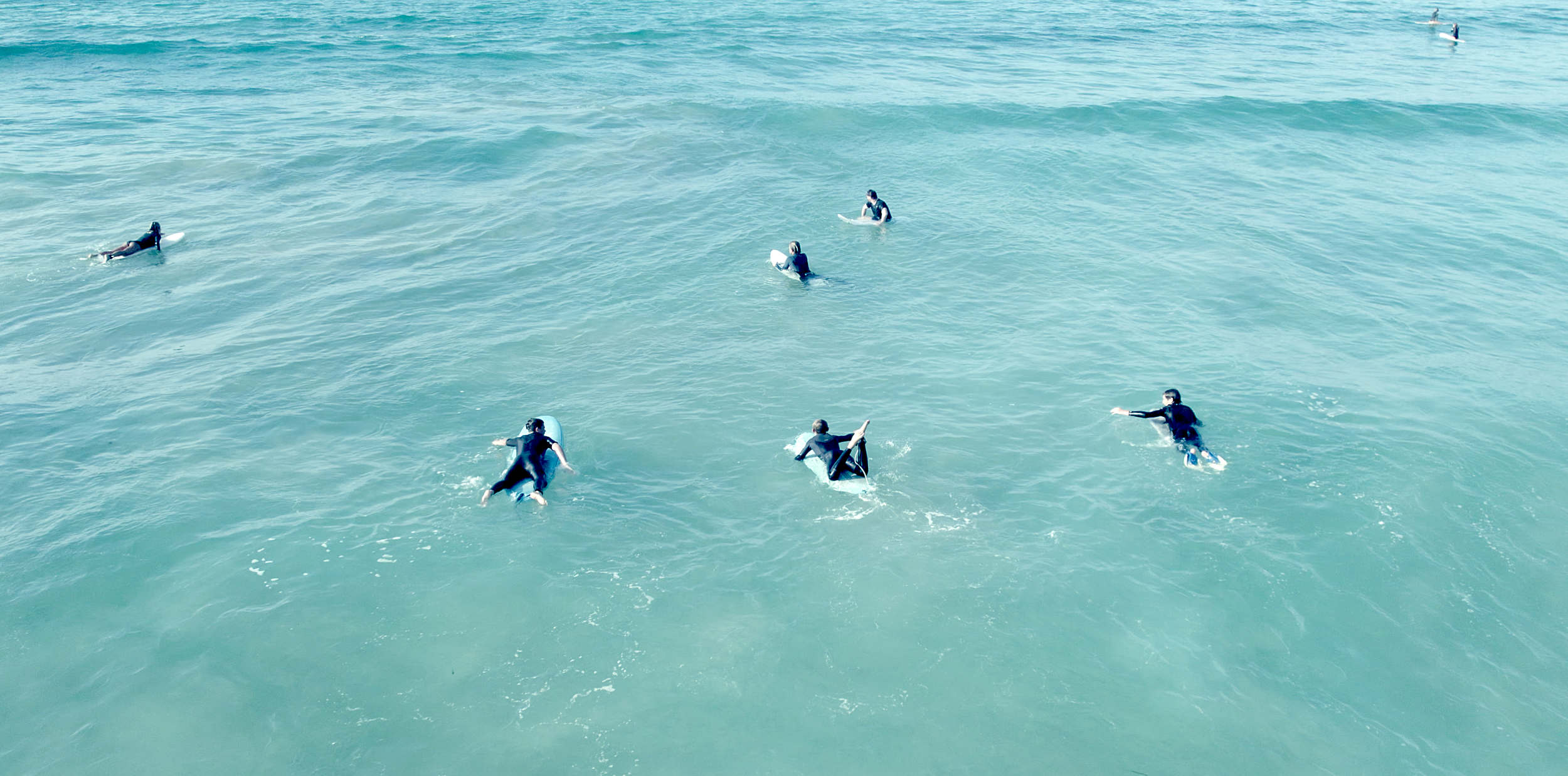
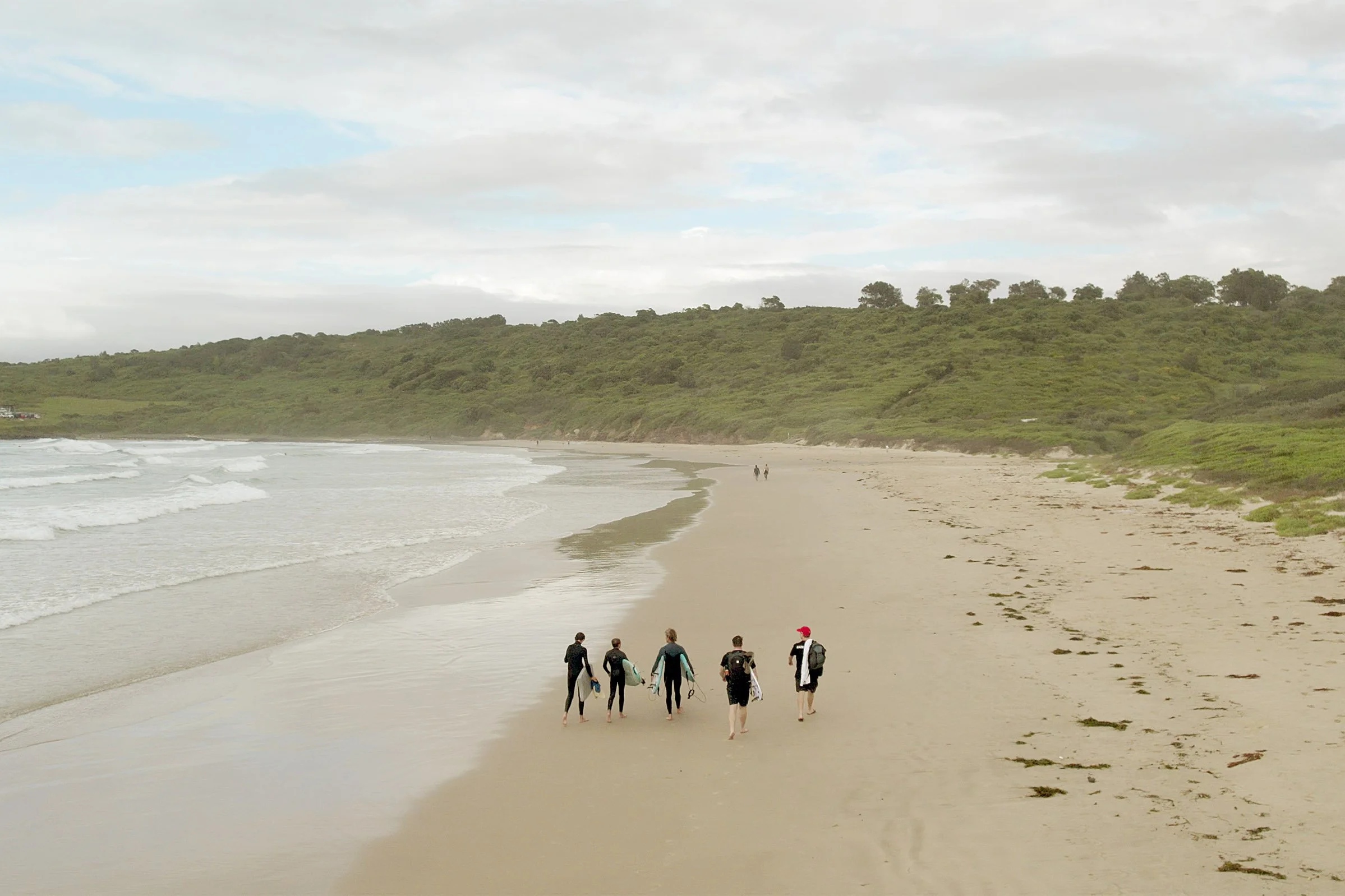
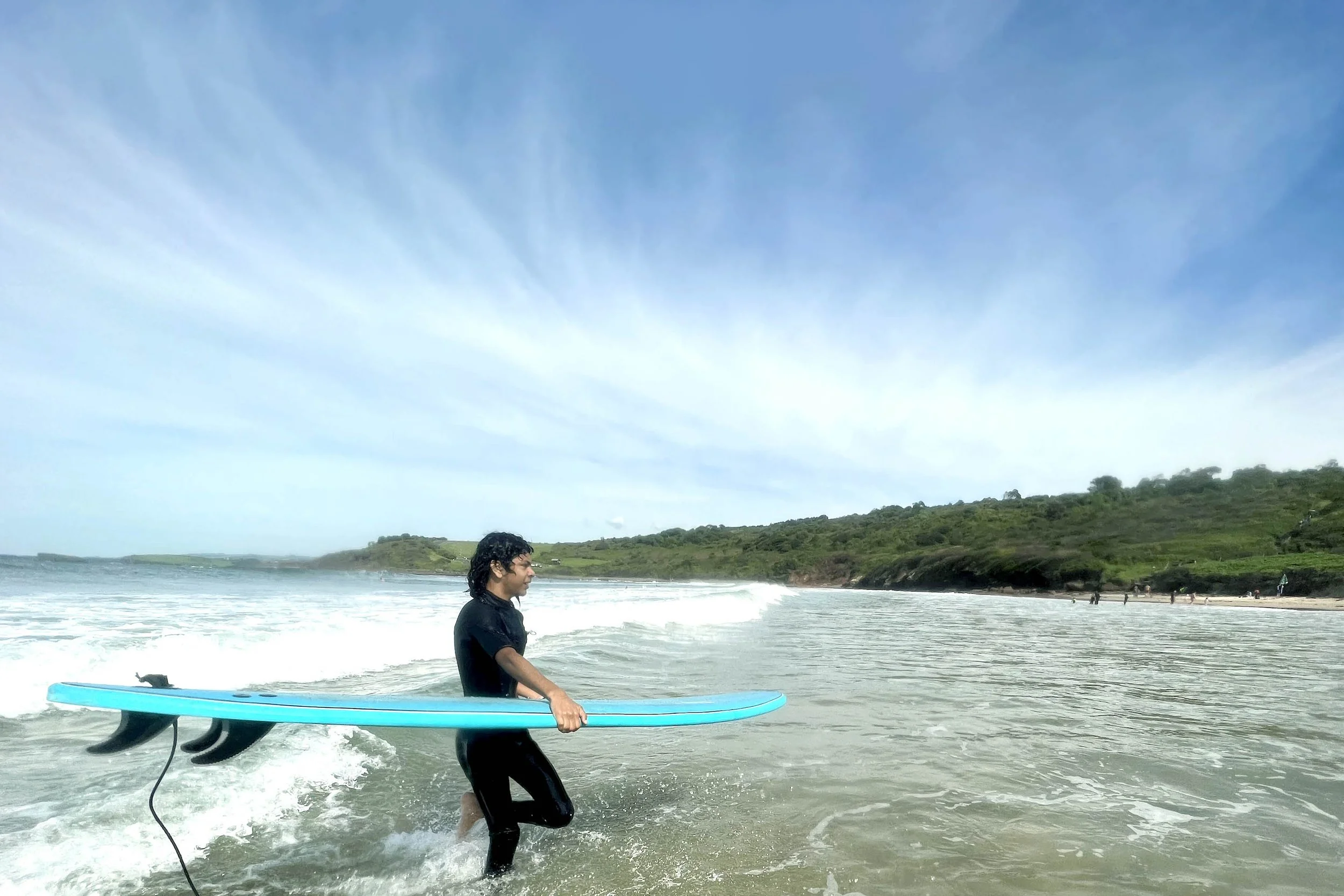
Mentoring/counselling sessions at the beach and in the water.

Waves Evaluation Report

Waves Video

  • Case Study: Learning to step out of fight mode

    CLICK ARROW TO READ

  • Anger, trauma, and practising skills early

    A 16-year-old identified his main struggle as “getting angry and losing control.” He’d lived through family loss, housing instability, school exclusion, and long periods of couch surfing.

    In one session, he linked anger to surfing. He said you don’t wait until the wave hits to try and get somewhere with it—you practise when things are calm.

    He identified his own strategies:

    • Practise skills away from conflict

    • Slow down instead of pushing harder

    • Accept mistakes and reset

    • Use breathing to come out of fight mode

    • Call someone calm so the thinking voice gets louder

    Over time, he used these strategies at work. When he felt himself losing control, he stepped away, got water, called someone he trusted, and returned calmer.

    This young person is now working, reflecting on his behaviour, and modelling self-regulation to others—exactly the kind of peer leadership Ghadu Resilience will develop.

  • Anger, trauma, and self-regulation

    Relevant Community Safety Criteria

    • Violence prevention and de-escalation

    • Building emotional regulation and decision-making skills

    • Reducing risk of future justice system contact

    How this case study meets the criteria

    This young person is approaching the age where loss of control could result in serious criminal consequences. Ghadu Resilience can intervene at a critical developmental stage, building emotional regulation skills before adulthood.

    The participant independently identifies practical strategies to exit “fight mode,” applies them in real-world settings (including employment), and demonstrates behavioural change over time. These skills directly reduce the likelihood of violent incidents, police involvement, and escalation into the criminal justice system.

About Coomaditchie United Aboriginal Corporation

The Coomaditchie United Aboriginal Corporation is an Aboriginal organisation dedicated to raising the esteem, pride and dignity of young Aboriginal people in their Aboriginal culture and heritage.
  • Case Study: Court, Country, and finding his voice

    CLICK ARROW TO READ

  • Juvenile Justice navigation & peer potential

    A 15-year-old Aboriginal boy was arrested after taking a stolen car. It was his first offence, but a serious one. The court process overwhelmed him. Legal language from authoritative adults triggered his trauma.

    Resilience sessions continued alongside Juvenile Justice appointments. When sessions happened near the water, he was calmer and more focused. When they didn’t, he struggled.

    He chose to write a letter to the court—in his own words—about his life, his mum’s death, homelessness, and the changes he had already made. He included song lyrics he had written about

    his mother. He wrote the letter after a session in the water.

    The judge read the letter carefully. In court, the judge told him that instead of not wanting to see him again, he hoped to see him return one day supporting other young people.

    That moment changed how the young person saw himself.

    Ghadu Resilience will turn justice contact into leadership potential - without excusing harm, and without shaming.

  • Juvenile Justice diversion and advocacy

    Relevant Community Safety Criteria

    • Diversion from deeper justice system involvement

    • Culturally safe responses for Aboriginal young people

    • Reducing reoffending risk

    How this case study meets the criteria

    This case study directly demonstrates effective engagement with the Juvenile Justice system. The Waves sessions supported the young person to regulate stress, understand legal processes, and communicate their circumstances constructively to the court.

    The result is not only improved engagement with Juvenile Justice but a reframing of the young person as a future leader rather than an offender. This contributes to reduced reoffending risk, improved compliance, and safer long-term outcomes for the community.

About Coequal

Phillip Crawford – Lead Mentor, Waves Resilience (Coequal)

Phillip Crawford is the lead mentor for Waves Resilience, delivered through Coequal, and brings over 40 years’ experience working alongside young people and families experiencing complex disadvantage. His role in Ghadu Resilience focuses on ensuring safe, consistent delivery of ocean-based sessions, strong mentoring of peer workers, and the development of peer-led practice that supports long-term community safety outcomes.

Phillip holds a current Ocean Safety Surf Coach Award (OSSCA) accreditation and First Aid certification, and a Diploma of Mental Health. He is responsible for surf safety, risk management, mentoring practice, and supporting peer workers to build skills in emotional regulation, safe decision-making and reflective practice within Waves sessions.

Across his career, Phillip has designed and delivered numerous youth-led projects where young people take active leadership roles — not only as participants, but as presenters, advocates and decision-makers speaking about their own lives and communities. This experience directly informs the Ghadu Resilience approach, where peer workers are supported to co-design the program model, document outcomes, and lead presentations to funders and partners.

Phillip has extensive experience working in partnership with Juvenile Justice, Aboriginal community organisations, schools, mental health services and local government. His practice is grounded in relationship-based work, cultural respect, strong governance, and creating real pathways for young people to move from being supported to supporting others.
  • Case Study: Watching change, not being told

    CLICK ARROW TO READ

  • Peer influence & re-engagement

    A 14-year-old had barely attended school. He avoided it to escape shame and confrontation. He connected better with peers than adults.

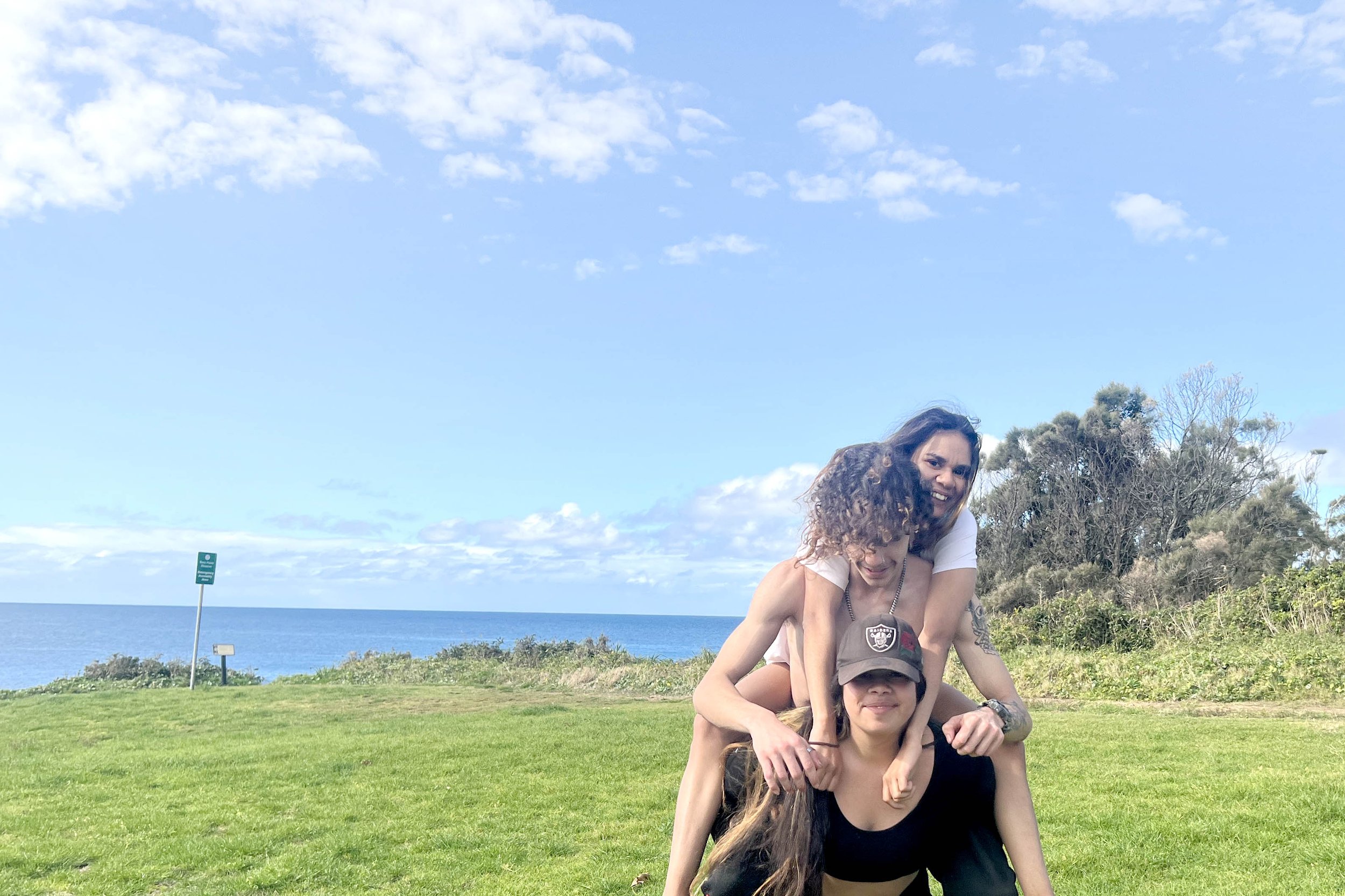
    He joined a surf session with three brothers—two older, one his age. The older boys had changed their lives through Waves and other supports. They didn’t preach. They modelled.

    After surfing, they yarned together. They checked in on each other. They challenged each other respectfully.

    The young person mostly listened—but he was taking it in.

    Weeks later, he messaged asking for help with school. Not because he’d been told to—but because he’d seen others speak honestly and be supported.

    He enrolled in an alternative school and started attending.

    This is how peer-led change works in Ghadu Resilience: observed, not instructed.

  • Peer modelling and re-engagement

    Relevant Community Safety Criteria

    • Peer-led prevention and mentoring

    • Re-engagement with education and prosocial pathways

    • Long-term crime prevention

    How this case study meets the criteria

    This example highlights how peer influence—when structured and supported—can re-engage disengaged young people more effectively than adult-led intervention alone.

    The young person’s decision to seek help was not prompted by instruction but by observation of peers who had navigated similar struggles. This demonstrates the preventative power of peer workers and the importance of building youth leadership capacity to create sustainable community safety outcomes.